
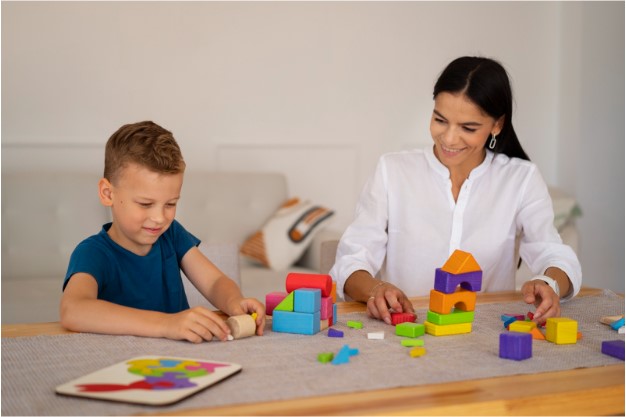
Autism is a developmental disorder that influences the interaction and communication of individuals. All autistic people are different. Some might have speech, learning, or social problems. Others may be able to repeat themselves and be sensitive to some sounds and light. The initial step to successful treatment is the knowledge of these challenges.
The awareness of the true requirements of a person is useful to parents and caregivers as well as educators. This is attributed to the fact that such knowledge will assist them in supporting the individual in the right manner and on how to create the learning environment that enhances behavior.
Early Intervention Makes a Difference
Autism requires early treatment, which may significantly enhance learning and social skills. The faster therapy is conducted, the better. In order to support children, systems that are regular and routine are more responsive. These treatments involve speech therapy, occupational therapy, and using applied behavior analysis (ABA).
They are focused on the communication, social, and daily living skills growth. Early intervention helps children gain confidence. It also lowers the frustration and behavior problems. His/her family will also experience visible changes when they are actively involved in the therapy programs.
Tailored Learning Strategies
Autism is often treated by means of individualized learning plans. Each person has his or her way of learning, and therapy conforms to that individual. Visual aids, real-life implementation, and technology can be used to improve learning. Tasks are facilitated by teachers and therapists who allow breaking down tasks.
Positive applause stimulates progress and makes the children remain motivated. Learning becomes better when it is individualized to the ability of a person. It facilitates self-reliance as well. Through a lot of practice, children can master these skills that continue to help them in adulthood, making it easier to carry on with their daily task and their social life.
Managing Behavior Through Therapy
Autism is associated with behavioral interference. Treatment for autism helps people cognize their feelings and responses. Behavioral therapies such as applied behavior analysis (ABA) help in the teaching of coping skills. They minimize apprehension, violence, or self-injury. Clear instructions and routines allow one to predict the expectations.
Negative behaviors are exchanged for positive behaviors as time goes by. Caregivers and parents also get the skills to strengthen progress at home. Coaching encourages a lasting response to behaviour. This does not just enhance learning, but also the relationship with family, their peers, and teachers.
Building Social and Communication Skills
Learning and individual development strongly rely on social and communication skills. The therapy of autism is based on the focus on these competencies, with the help of work on interaction and role-playing. Children get to develop the ability to communicate their needs, perceive social cues, and interact with others.
They can train in teamwork and collaboration during group sessions. Enhancing communication will eliminate frustration, and inclusion will be encouraged. It boosts self-esteem as well. Children can relate to other people and have their learning environment enhanced. Social skills also teach them how to live after school, which leads to independence and confidence.